
Your brain @ work
Do you know how your brain works? Are you aware that a lot of us are not using our brain optimal? Do you have an idea how much easier work can be if we follow out brains’ needs?
 Actually those are good questions, at least in my perspective and that’s the reason I read books from David Rock. One is “Coaching with the brain in mind” and the other “Your brain at work”. Latter is an easy read with tips and tricks.
As pharmacist I know that we can influence our brain with amount of sleep and kinds of food. But we also can enhance our brain capacity by making breaks, by writing down priorities in order to “clean” the short memory task box or by structure our day in different “task zones”, just to name some of the tricks.
I would love to elude a bit more on the “clean your brain” part, maybe because that’s one of the most difficult for me. It seems to me that my brain is just hungry to keep things “in”. I realize that when I talk colloquially to other people or when I sit down for a quiet meditation. Then lots of details “jump” into my mind. I’m aware of thousand things, little things, big things and there seems to be no order. My brain just loves to go with the flow.
Due to my meditation practice, I do not say “Stop” anymore when that happens but ” Great thanks, valid thought in a different context. Please come again when needed”. You may ask yourself why I do that? Maybe because I decided to interact with my brain as if it’s a little kindergarten. And isn’t it true that kids like to share at any time point what kind of great ideas they have. To say stop or no is a disappointment but honouring the effort and postpone to a later time point when really useful is much more resourceful. In my experience my thoughts then start to slow down, I can better focus on what I want to focus on: the conversation or “nothing”.
So there is a way to steer our thoughts even when you think there isn’t. As our brain does not understand the word no and because our brain works all the time, to treat it with respect and use it wisely does improve our overall performance as human-being. It’s worth a try and if you are just as curious as I am, then check out the books of David Rock.
Resilienz – was ist das?
Genau diese Frage habe ich mir gestellt, als ich mich zu einer Tagung der St. Management School angemeldet hatte. Da sass ich nun vor 2 Tagen in einem etwas engen Konferenezraum und bekam die Theorie dazu.
Das Resilienzkonzept regt an, darüber nachzudenken, was Führungskräfte auch unter suboptimalen Bedingungen für die Gesundheit tun können – für die ihrer Mitarbeiter wie ihre eigene. Dr Martina Rummel
In diesem Sinne ist es gut geeignet zur Burnout-Prävention. Spannend, dass gerade letzten Dienstag im schweizer Fernsehen im Club das Thema Burnout besprochen wurde. Was habe ich nun aus der Theorie wie auch den Diskussionen gelernt? Eigentlich etwas das, was ich irgendwo schon alles irgendwie wusste, doch nun ist es ein “Konzept”. Aus meiner eigenen Biographie heraus weiss ich wie wichtig Abgrenzung, einen guten Bezug zur Realität wie auch soziale Kontakte sind. Doch so schön auf 6 Glaubenssätze reduziert habe ich noch keine Anleitung gefunden. Ich möchte diese mit dem jeweiligen Themenbezug nicht vorenthalten:
- Es ist so wie es ist – Themen des Realismus und der Bodenhaftung
- Tue einfach das Nötige – Themen der Selbstdisziplin und der gesunden Gewohnheiten
- Lerne aus Prinzip – Themen des Ausbau der Kompetenz und des Pragmatismus
- Mache das Beste daraus – Thema der radikale Lösungsorientiertheit
- Grenze Deine Verantwortung ein – Themen der sozialen Intelligenz und des Rollenbewusstseins
- Sieh das Gute im Schlechten – Thema der aktiven Sinngebung
Es ist wertvoll immer wieder inne zu halten und nach zu spüren oder zu analysieren, wo man selbst gerade wieder in diesen Themen steht. Das Bewusstwerden, dass einige Punkte gut laufen und dass andere durchaus noch Wachstumspotenzial haben, ist schon der erste Schritt. Wichtig ist dabei, dass es sich um ein “Gesamtpaket” handelt – alle 6 zusammen machen erst den Erfolg.
Quality time in our life
Last week a little story crossed again my way…I saw it a few years ago and again it stroke me how simple it can be explained how to prioritize our life. It’s story about a professor that comes to class with a mayonnaise jar, golf balls, sand and some more things. He uses the materials to ask the question: is it full now? At first sight he asks about the jar, on second level he makes the analogy for our life. (You find the article on my website.)

We have so many things that are eating up our daily time, things that in “ad hoc” seems important but in relation to other things it’s different. Reflecting back, if I take my time to do that, I sometimes have to agree that I didn’t use my time wisely. That the little quality time I had just passed away because I was busy with “little nonsense” things.
Now I plan a bit better, and now I take my time to drink something with my friends…not beer as you know but a glas of champagne to celebrate does the job as well!
Die Wichtigkeit der emotionalen Bindung
Immer wieder begegne ich Konzepten und Theorien und oftmals frage ich mich wie sich das jemand merken soll. Vor allem in Veränderungsprojekten werden dann spannende Akronyme verwendet die auf die einzelnen Inhalte oder aber den Stil hinweisen sollen. So z.B Puma oder OPEN um nur welche zu nennen, die meinen persönlichen Weg kreuzten.
Dass eine emotionale Bindung an ein Thema wie auch Einfachheit wichtig sind für den Erfolg hat nicht zuletzt die Einführung vom Smart in der Autowelt 1998 gezeigt. Auch andere Brands setzen auf klare Botschaften, so spucken bei mir immer noch die „quadratisch, praktisch, gut“ einer deutschen Schokoladenfirma im Kopf rum, auch wenn ich das Produkt gar nicht so gern habe.
Heute nun bin ich einem Buch begegnet, das sehr schön die emotionalen Aspekte zur Change Bedeutung bespricht und dazu die Metapher des Elefanten mit seinem Reiter braucht. Es sind 3 Elemente beschrieben, direct (rider)– motivate (elephant) – shape (path). Nun in der Metapher ist der Elefant unsere innere Motivation etwas zu tun, es sind die Gefühle die unser rationales Handeln übersteuern und Chip & Dan Heat schildern in ihrem Buch Switch- How to change things when change is hard wie sie damit in der Masse umgehen. Es gibt auch noch viele andere Analogien dazu. So braucht zB Maja Storch das Bild des Studelwurms in einem Selbst der sehr archaisch entscheidet. Sie hat dazu sogar eine App gemacht.

Dass Gefühle / Emotionen wichtig sind in Leben, wird wohl jeder unterschreiben, doch in der Geschäftswelt werden sie mit Argwohn gesehen und oft negiert. Doch genau dort werden Loyalität und Durchhaltewille, Engagement und Vertrauen gebildet – dort auf der Basis der emotionalen Bindung an ein Ziel, an eine Firma, an ein Team.
Feel the change
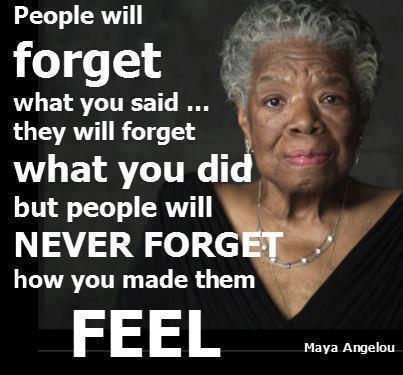 Today I had the honour and pleasure to participate in one of my change management client’s key events – the 300 day anniversary. It was a day of organisation at one hand but more so of experiencing how much the organisation moved a head into the direction they wanted. Coming back after a long day I saw the enclosed picture on Facebook and I thought – yes that’s it. In a nutshell that’s what I’m aiming for in my work – let the people feel the change. You need not only to understand it, to talk about it, to do it – but you need occasions where one can feel it. Today was such a day. I’m very happy that I was part of it!
What describes us?
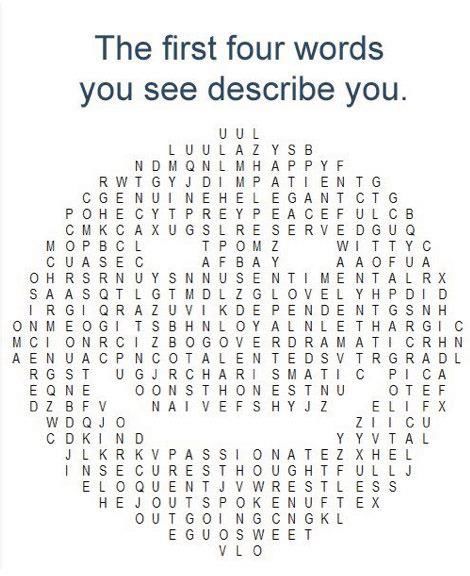 Today in a meeting we spoke about “spontaneous impressions” of somebody. It was in context of just hearing and missing the visual context. We all agreed, that we will be able to judge if the other person is competent, is taking care of us, is able to generate a friendly atmosphere and so forth.
Now, how about if we neither have visual nor oral context if we just see words in emails or letters. Will we still be able to have a “spontaneous impression” of somebody? Would we attest ourselves that we have enough information to even do it at all? I guess it’s of no surprise to you when I tell you – we do it anyway! – regardless of we think we can do it or not. Our “mind” is doing it subconsciously. We start to read in-between lines, we put the text into the context we think is correct – or the one we want to have it in and so on. It actually says quite a lot about ourselves how we “read / understand” texts, as the way we connect and validate (just not to use judge) “just relays on us”. Our mood, experiences, cultural background, belief systems and so on are the filters we look though the word and determines how we perceive things.
Want a proof? Just look at the smiley face – what words jumps into your “mind” – what do you see…. there are tons of words in there….what you see first is what you want to see first and not what you grasp subconsciously.
Kontextabhängigkeit
 Gestern brauchte ich 3 Mal das Wort Abriss und jedes Mal meinte ich etwas anderes damit. Zuerst das überteuertes Mittagsmenue, dann ein Gebäude, das nun nicht mehr steht und zuletzt in „tiefer“ Nacht als ich einen Zeitungsverlag besuchen durfte den Papierabriss.
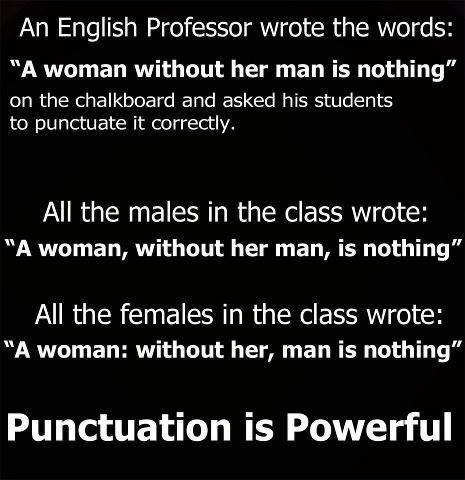
In jeder Sprache gibt es Wörter, die je nach Kontext verschiedene Bedeutungen haben. Erst durch die Betonung, die Phrasierung oder die Aussprache kann im Kontext entschlüsselt werden, was wirklich gemeint ist.
Ich selbst erwische mich, dass ich mich im Englischen viel mehr hinterfrage, was gemeint ist, als dass ich es in meiner Muttersprache tue. Mache ich mir damit meine Meinung zu schnell? Verpasse ich etwas oder gibt es im Deutschen nicht so viele Interpretationsmöglichkeiten? Auf alle Fälle hat mich das untenstehende Bild, als ich es das erste Mal gesehen habe, zum Lächeln gebracht, weil ich nur eine Variante sah – und Sie? 🙂
Courage!
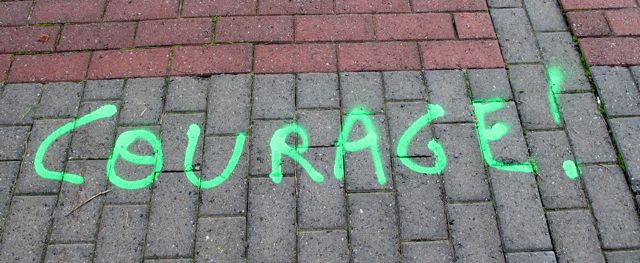 ‘Was immer du tun kannst oder wovon du träumst, fange es an! In der Kühnheit liegt Genie, Macht und Magie!’
Goethe war seiner Zeit in Vielem voraus und hat dieses Zitat sicher oft zu sich selbst gesagt. Mir auf alle Fälle geht es so. Ich höre mich innerlich schon manchmal sagen ‚com’on girl – why not’ . In diesen Situationen sind es nicht Bequemlichkeit oder Angst, die mich zurück halten, sondern das nötige Selbstvertrauen. Es sind daher nicht Situationen die risikoreich, sondern solche die neu, anders und ungewohnt sind und von mir verlangen, mich aus meiner Komfortzone zu bewegen.
Das ist nicht immer einfach, auch wenn je nach erwartendem Zugewinn vielleicht rationaler nachvollziehbarer, aber gefühlt ist es immer gleich schwierig! In diesen Situationen an die Magie, an die Macht und das Genie der Kühnheit und der Courage zu vertrauen, hilft mir für mich und meine Kunden Neues zu beschreiten – Strukturen zu geben wo keine sind und Halt zu geben wo keine Grenzen sich finden lassen.
In diesem Sinne wünsche ich mir mehr Courage für uns alle, damit sich unsere Träume und Projekte magisch umsetzen.
The perfect future – now
In Brief Coaching we ask from the first moment of the coaching session onwards what the best hopes of clients are, what they want to achieve, how shall it look / feel / sense like? How will they get suspicious that it is there? How will they get proof that their own perfect future is happening?
As coach we support that the future perfect get’s into the mind and body and nurture the seeds planted. It always amazes me how we human beings are built and drilled. We get stuck in our issues, when we archived our former dreams, new ones are ahead of us and overshadowed what we achieved so far.
It seems so hard to celebrate what we achieved and so beautiful to dream about our perfect future. But when else then now, do we get on track to our future? When, if not now, can we shape our life to be our perfect future?
So why do we not use some sunny hours these days to either dream about the own perfect future or to look back and celebrate what was achieved so far. Both will give energy for the way ahead and fuel our dreams to manifest in reality.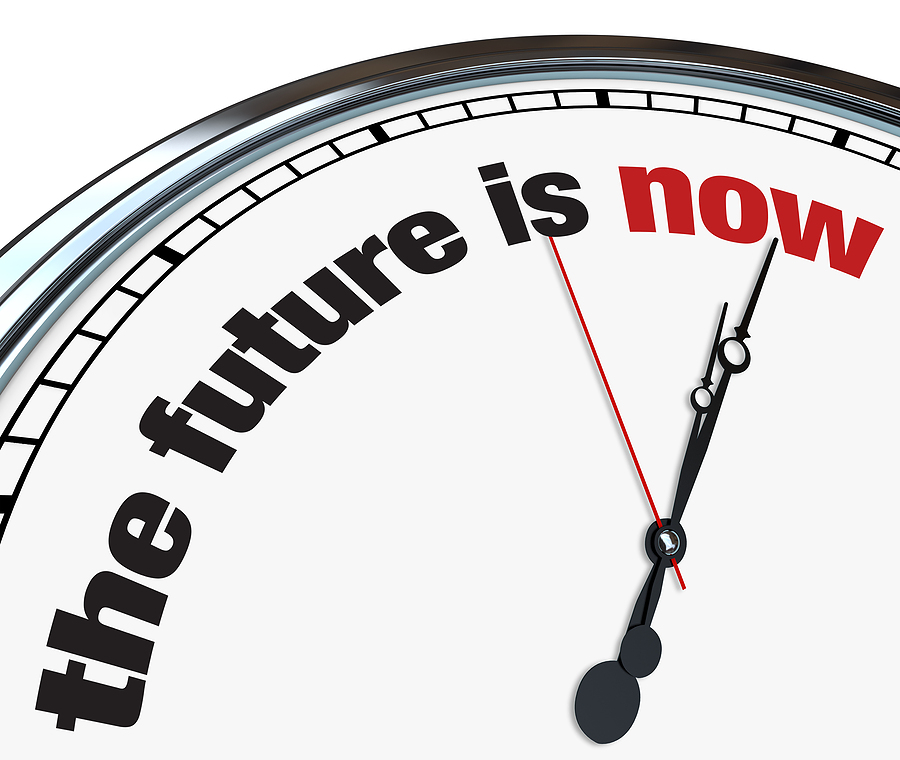

 Beachtig's blog